
Waffle House Franchise: Is Waffle House a Franchise & How to Own One
Waffle House has been a cornerstone of American breakfast culture for nearly seven decades, serving meals 24/7 across the country. For many entrepreneurs interested in the restaurant business, the chain’s consistent success and loyal customer base make it an attractive prospect. But here’s the reality many people wonder about: can you actually buy a Waffle House franchise?
The short answer is no—but there’s more to the story. Waffle House operates under a unique business model that differs fundamentally from traditional franchising. This article breaks down exactly how Waffle House ownership works, why the company chose this path, and what your actual options are if you want to own a piece of this iconic brand.
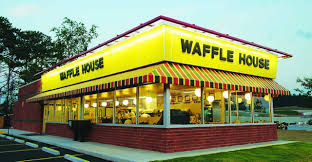
What Is Waffle House?
Founded in 1955 by Joe Rogers Sr. and Tom Forkner, Waffle House started with a single location in Avondale, Georgia. Today, the chain operates over 1,900 locations across the United States, making it one of the largest restaurant chains in the country. The brand has become synonymous with casual, unpretentious American dining—a place where construction workers, night-shift employees, truckers, and families come together over affordable, comfort food.
What makes Waffle House so profitable and enduring? Part of it is operational efficiency. The restaurants are relatively small, with streamlined menus that keep food costs low and preparation fast. They operate around the clock, maximizing revenue from every hour of the day. Beyond the numbers, Waffle House has built an almost cult-like brand loyalty. For many Americans, it’s not just a restaurant—it’s a cultural institution. The company’s commitment to consistency means a Waffle House in Georgia delivers the same experience as one in North Carolina, and customers know exactly what they’re getting every single time.
Is Waffle House a Franchise?
No. Waffle House is not a traditional franchise, and this is the critical distinction that surprises most people interested in ownership.
In traditional franchising, a parent company (the franchisor) licenses its brand, systems, and operational procedures to independent business owners (franchisees) who pay upfront fees and typically ongoing royalties. McDonald’s, Subway, and most other major chains operate this way.
Waffle House takes a completely different approach. Every single Waffle House restaurant is owned and operated directly by the company or by its selected operators through an in-house system. This means there is no franchise opportunity—you cannot purchase the right to open a Waffle House under your ownership and control.
The distinction matters because it shapes everything from how much control you have over the business to how much capital you need to invest and what returns you can expect.
Why Waffle House Is Not a Franchise
Waffle House’s decision to remain non-franchised is strategic, not accidental. Here’s why the company has maintained this model despite the growth opportunities franchising might offer:
Company-Controlled Growth: By keeping ownership in-house, Waffle House controls every aspect of expansion. The company decides where new restaurants open, ensuring locations serve the company’s long-term strategy rather than individual entrepreneur interests. This prevents the common franchising problem where franchisees open locations that cannibalize each other’s sales.
Consistency and Culture: Waffle House is obsessed with consistency. The experience, quality, and atmosphere should be identical whether you’re in a restaurant in Miami or Minnesota. Franchisees, motivated by individual profit, sometimes cut corners. Waffle House avoids this by directly managing all locations and their operators. The company can enforce strict standards without negotiating with hundreds of independent business owners.
Avoiding Franchisor Risks: Franchising creates liability issues. If a franchisee mistreats employees or customers, the brand suffers. Waffle House limits these risks by directly employing managers and maintaining tighter operational control. The company is responsible for its locations and their actions, but it has greater power to prevent problems before they happen.
Profitable Model: Waffle House doesn’t need franchising fees to fund growth. The chain is privately held and reportedly highly profitable, meaning it can self-fund expansion through retained earnings. This also means the company keeps 100% of profits from each location rather than receiving only royalties and fees from franchisees.
How to Franchise a Waffle House (Is It Possible?)
You cannot buy a Waffle House franchise. But Waffle House does have an alternative: the Waffle House Operator Program.
This program allows selected individuals to operate Waffle House locations, but with important caveats. You’re not buying a franchise. You’re entering an employment-based partnership with the company where you manage a location and share in profits.
How Operators Are Selected
Waffle House doesn’t advertise operator positions broadly like franchises do. Instead, the company identifies potential operators from within its existing workforce. Most operators start as crew members, work their way up to shift leader or assistant manager, and eventually are offered the opportunity to operate a location. The company wants people who understand Waffle House culture, systems, and standards firsthand.
External hires do occasionally become operators, but they must demonstrate deep knowledge of the brand and commitment to Waffle House’s values. The company is highly selective because operators represent major capital investments and long-term partnerships.
Training and Promotion
Once selected, operators receive comprehensive training through Waffle House’s internal programs. This isn’t a quick franchise training week—it’s an ongoing relationship where the company invests in developing your skills as a restaurateur. You learn how to manage food costs, staff, customer service, and all operational aspects while adhering to Waffle House standards.
No Upfront Franchise Fee
Unlike franchising, becoming a Waffle House operator doesn’t require paying a franchise fee upfront. This removes a significant barrier to entry. However, operators do invest their own capital into the business and share revenues with the company.
Requirements to Become a Waffle House Operator
While exact requirements aren’t publicly detailed, the general criteria include: proven performance in a Waffle House restaurant setting, demonstrated leadership ability, financial capability to invest in the business, alignment with Waffle House values and culture, and willingness to operate according to company standards. Applicants are typically internal candidates with years of experience.
Waffle House Operator Program vs Traditional Franchise
The differences between being a Waffle House operator and owning a traditional franchise are substantial:
| Aspect | Waffle House Operator | Traditional Franchise |
|---|---|---|
| Upfront Fee | None | $500–$2.5M+ (varies by brand) |
| Ownership | Shared partnership with company | Independent ownership |
| Profit Sharing | Revenue split with Waffle House | Royalties (~4–8% of sales) |
| Equity Ownership | Limited equity in the location | Full ownership of business |
| Brand Control | Waffle House maintains strict control | More operational flexibility |
| Support System | Direct company support and training | Franchisee support from parent company |
| Exit Strategy | Limited—tied to company relationship | Sell the franchise to another franchisee |
| Risk Level | Moderate (company backing) | Higher (independent business) |
| Selection Process | Highly selective, internal preferred | Franchise agreements available to qualified applicants |
The Waffle House operator model offers lower entry costs and strong company backing but sacrifices the independence and potential wealth-building equity of traditional franchise ownership.
Waffle House Stock: Can You Invest?
Waffle House is not a publicly traded company. There is no Waffle House stock ticker, and you cannot buy shares on any stock exchange.
The chain is privately held, with ownership controlled by the founding families and long-time stakeholders. This private structure gives Waffle House significant advantages: the company doesn’t face quarterly earnings pressure, doesn’t need to disclose financial information, and can make long-term decisions without shareholder interference. However, it also means individual investors have no direct stock ownership option.
The decision to remain private aligns with Waffle House’s philosophy of slow, steady growth and profit prioritization over expansion at all costs—a strategy that might not satisfy public market investors demanding consistent growth.
How to Invest in Waffle House Without Stock
If you’re interested in benefiting from Waffle House’s success but can’t buy stock directly, here are your options:
Career Investment Through Management Roles
The most direct way is to build a career within Waffle House. Starting as crew and advancing to operator is a genuine path to wealth-building through profit sharing and long-term employment. Many long-term operators have achieved significant financial success through this route.
Indirect Investment Strategies
You can invest in restaurant industry ETFs or mutual funds that include major publicly traded restaurant companies. While this won’t give you direct exposure to Waffle House, it gives you diversified exposure to the broader restaurant sector. Alternatively, investing in competitors like publicly traded casual dining chains provides indirect exposure to the same market Waffle House dominates.
Why Waffle House Keeps Ownership Private
Waffle House’s private ownership structure protects the company’s culture and long-term vision. Public companies face constant pressure to maximize quarterly returns, often at the expense of employee satisfaction, community relationships, or brand integrity. Waffle House has chosen differently, prioritizing consistency and employee relationships over rapid expansion or maximum shareholder returns.
Alternatives to a Waffle House Franchise
If you’re attracted to Waffle House’s business model but want traditional franchise ownership, several alternatives exist:
Breakfast and Diner Concepts
Cracker Barrel, Bob Evans, and The Original Pancake House offer franchise opportunities in the breakfast and casual dining space. These chains have franchise programs with varying entry costs and support levels. Diner-style franchises like Perkins and Village Inn also provide similar operational models.
Waffle-Focused Franchises
Waffle chains like Waffle Bros and Waffle House competitors offer franchise opportunities. These tend to be newer concepts with different operational models, though often with higher upfront costs and less established brand recognition.
24-Hour Diner Concepts
If the 24-hour aspect appeals to you, franchises like IHOP and some regional 24-hour diner chains offer this feature with traditional franchise structures.
Cost Comparison and Startup Requirements
A Cracker Barrel franchise requires $400K–$600K in total investment. IHOP franchises range from $400K–$800K. Smaller breakfast concepts may cost $250K–$400K. All require upfront franchise fees ranging from $25K–$50K, plus ongoing royalties and marketing fees.
The Waffle House operator program avoids these upfront costs but offers fewer independent ownership benefits.
Best Alternatives for First-Time Franchise Owners
If you’re new to franchise ownership, breakfast and diner concepts offer proven business models, established customer bases, and reasonable entry costs. Smaller breakfast franchises with lower entry costs ($250K–$350K range) provide a middle ground between full independence and high capital requirements.
Is Waffle House a Good Business Opportunity?
From a financial perspective, Waffle House restaurants are profitable. The company’s longevity, consistent locations, and ability to self-fund growth all indicate strong underlying economics. Restaurants that remain open 24/7 with relatively simple menus and high volumes typically maintain healthy profit margins.
Why Waffle House Operators Often Stay Long-Term
Operators don’t typically leave Waffle House to pursue other ventures. This speaks volumes about the opportunity’s quality. When restaurant franchisees are jumping ship to other industries or franchises underperforming, Waffle House operators tend to remain committed. This retention suggests the financial returns and working relationship with the company justify long-term commitment.
Long-Term Stability and Brand Loyalty
Waffle House has survived recessions, changing consumer preferences, and intense competition. The brand’s customer loyalty is nearly unmatched in the casual dining industry. This stability translates to reliable revenue for operators and reduces business risk compared to trendy restaurant concepts.
The reality is that becoming a Waffle House operator is a genuine business opportunity—just not the traditional franchise path most entrepreneurs imagine.
Frequently Asked Questions
Is Waffle House a franchise in any state?
No. Waffle House operates under the same non-franchise model in every state. All locations are company-operated or operated through the internal operator program. There are no exceptions by geography.
Can you buy Waffle House stock?
No. Waffle House is privately held and does not trade publicly. There is no way to purchase stock shares.
How much does a Waffle House operator make?
This varies significantly based on location, local economic conditions, and individual operational efficiency. Operators share revenues with Waffle House but avoid major upfront franchise fees. Established operators report healthy incomes, though exact figures vary and are not publicly disclosed.
Can former employees open their own Waffle House?
No. The operator program is closed to external candidates with limited exceptions. You cannot independently open a Waffle House location under any circumstances.
What if I want to open a restaurant like Waffle House?
Consider franchise opportunities in breakfast and casual dining. Chains like Cracker Barrel, IHOP, and regional diner concepts offer franchise models with proven systems and established brands.
Conclusion
Waffle House is not a franchise, and you cannot buy one. The company operates all locations directly or through its selective operator program—a deliberate choice that protects brand consistency, culture, and long-term profitability.
If you’re interested in Waffle House ownership, your realistic option is the Waffle House Operator Program, which requires building a career within the company and earning selection through performance and demonstrated commitment.
If you want immediate franchise ownership in the breakfast and casual dining space, explore alternatives like Cracker Barrel, IHOP, or regional diner concepts. These offer traditional franchise models with upfront investment and independent ownership structures.
For those simply interested in supporting Waffle House as an investor, building a career within the company or investing in broader restaurant industry funds offers legitimate paths forward.
The bottom line: Waffle House’s success stems partly from rejecting the franchise model entirely. If you value what the brand represents—consistency, culture, and long-term thinking—understanding why they’ve chosen this path explains why it works.