
Does Hi-C Have Caffeine? Orange, Fruit Punch, Lemonade & McDonald’s Hi-C Explained
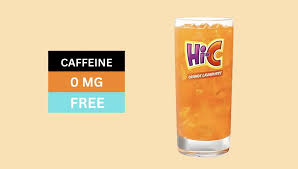
No—Hi-C drinks do not contain caffeine. Whether you’re drinking Orange, Fruit Punch, or Lemonade, the classic fruit beverages made by The Coca-Cola Company are caffeine-free and designed as sweet, fruit-flavored juice drinks rather than energy or soda products. The popular Hi-C Orange Lavaburst, which returned to the menu at McDonald’s, also contains zero caffeine, so it won’t provide any stimulant effect—only sugar, flavoring, and vitamin-fortified juice concentrate. If you’re avoiding caffeine, all standard Hi-C varieties, including the McDonald’s version, are considered caffeine-free beverages.
What Is Hi-C?
Hi-C is a fruit-flavored drink made by The Coca-Cola Company. Even though Coca-Cola makes it, Hi-C is not a soda. It’s a juice drink that contains some real fruit juice mixed with water, sugar, and vitamins.
People often get confused because Coca-Cola also makes sodas like Coke and Sprite, which do contain caffeine (well, Sprite doesn’t, but Coke does). But Hi-C is different from soda. It’s sold in juice boxes, bottles, and as a fountain drink at some restaurants.
The drink has been around since 1946, which makes it older than many of your grandparents! It was created to give people a tasty way to get vitamin C.
Does Hi-C Orange Have Caffeine?
No, Hi-C Orange does not have caffeine. This is the most popular Hi-C flavor, and many people ask about it because orange sodas like Sunkist or Crush can sometimes have caffeine.
Hi-C Orange is made with water, high fructose corn syrup, orange juice from concentrate, and added vitamins. You won’t find any caffeine in the ingredients list.
At McDonald’s, this flavor used to be called “Orange Lavaburst,” and people loved it so much that McDonald’s brought it back after taking it away. Whether you drink it from a juice box or get it at McDonald’s, Hi-C Orange Lavaburst has zero caffeine.
Does Hi-C Fruit Punch Have Caffeine?
No, Hi-C Fruit Punch does not contain caffeine. This bright red drink is completely caffeine-free, just like all other Hi-C flavors.
Some people think fruit punch might have caffeine because it tastes sweet and gives them energy. But that energy feeling comes from the sugar in the drink, not from caffeine. Sugar and caffeine are two completely different things.
Hi-C Fruit Punch contains a blend of fruit juices, including apple, pear, and grape juice from concentrate, along with natural and artificial flavors. None of these ingredients contain caffeine.
Does Hi-C Lemonade or Pink Lemonade Have Caffeine?
No, Hi-C Lemonade and Pink Lemonade do not have caffeine. Both flavors are caffeine-free.
Hi-C makes a regular lemonade flavor and also a “Poppin Pink Lemonade” which is a fun pink color. Kids especially love the pink version because of its color, but parents can feel good knowing it doesn’t contain any caffeine.
Lemonade is made from lemons, water, and sugar. Since lemons don’t naturally have caffeine, lemonade drinks are almost always caffeine-free unless someone specifically adds caffeine to them. Hi-C doesn’t add caffeine to any of its drinks.
Does Hi-C Grape or Strawberry Have Caffeine?
No, Hi-C Grape and Strawberry are caffeine-free. These flavors follow the same recipe as all other Hi-C drinks, which means they contain fruit juice, water, sweeteners, and vitamins, but no caffeine.
Hi-C Grape has a deep purple color and sweet grape taste, while Hi-C Strawberry tastes like fresh strawberries. Both are popular choices, especially for kids’ lunch boxes.
Does McDonald’s Hi-C Have Caffeine?
No, McDonald’s Hi-C does not have caffeine. The Hi-C Orange served at McDonald’s restaurants is the exact same caffeine-free drink you can buy in stores.
Many people think that drinks from fast food restaurants might have caffeine added to them, but that’s not true for Hi-C. McDonald’s serves Hi-C as a fountain drink, which means it comes out of the same machine as sodas, but it’s still just Hi-C Orange with zero caffeine.
McDonald’s brought back Hi-C Orange (called Orange Lavaburst) in 2021 after customers asked for it for years. Whether you get it in a small cup or a large one, it contains no caffeine at all.
Is Hi-C a Soda or Juice?
This is where a lot of confusion happens. Hi-C is not a soda. It’s a fruit juice drink.
The difference is important:
- Soda is carbonated (has bubbles) and usually doesn’t contain real fruit juice
- Juice drinks like Hi-C are not carbonated and contain some real fruit juice
Some people call Hi-C “orange soda” because it looks like orange soda and is sold near sodas at stores. But if you look at the label, you’ll see it says “juice drink,” not “soda.”
Since Hi-C is not actually a soda, and since it doesn’t contain caffeine anyway, the answer to “does Hi-C orange soda have caffeine” is no. But it’s also important to know that Hi-C isn’t really a soda in the first place.
Ingredients – Why Hi-C Is Caffeine-Free
Let’s look at what’s actually inside a Hi-C drink. Here are the main ingredients in Hi-C Orange:
- Water
- High fructose corn syrup (a sweetener)
- Orange juice from concentrate
- Citric acid (for tartness)
- Ascorbic acid (vitamin C)
- Natural and artificial flavors
- Food coloring
Do you see caffeine on that list? No, because it’s not there.
Caffeine only comes from certain plants like coffee beans, tea leaves, and cacao (which makes chocolate). It’s also found in some sodas like Coca-Cola, Pepsi, and Mountain Dew because companies add it.
Hi-C is made from fruit juice and doesn’t need caffeine. The Coca-Cola Company chose to make Hi-C as a caffeine-free drink, and it has been that way since it was created.
Hi-C Nutrition Facts
Here’s what you’ll find in a typical 6.75 fl oz (200 mL) juice box of Hi-C:
| Nutrition Item | Amount |
|---|---|
| Calories | 90 |
| Total Sugar | 25 grams |
| Caffeine | 0 mg |
| Vitamin C | 100% daily value |
| Protein | 0 grams |
| Fat | 0 grams |
As you can see, Hi-C contains quite a bit of sugar. While it doesn’t have caffeine, the sugar content is something parents should know about. Too much sugar isn’t healthy for anyone, especially kids.
The good news is that Hi-C does provide 100% of your daily vitamin C, which helps keep your body healthy and your immune system strong.
Hi-C vs Soda vs Energy Drinks
Let’s compare Hi-C to other drinks so you can see the differences:
| Drink | Caffeine | Sugar (per 8 oz) | Calories (per 8 oz) |
|---|---|---|---|
| Hi-C | 0 mg | 28 grams | 100 |
| Coca-Cola | 34 mg | 26 grams | 100 |
| Sprite | 0 mg | 26 grams | 100 |
| Mountain Dew | 54 mg | 31 grams | 110 |
| Red Bull | 80 mg | 27 grams | 110 |
| Monster Energy | 86 mg | 27 grams | 100 |
From this table, you can see that Hi-C has similar sugar and calories to sodas, but it has zero caffeine. Energy drinks have much more caffeine than both Hi-C and regular sodas.
Is Hi-C Safe for Kids, Pregnant Women & Night Drinking?
Is Hi-C Safe for Kids?
Yes, Hi-C is safe for kids because it contains no caffeine. Many parents choose Hi-C for their children specifically because it’s caffeine-free.
However, remember that Hi-C does contain a lot of sugar. It’s okay as an occasional treat, but water and milk are healthier everyday drink choices for children.
Can Pregnant Women Drink Hi-C?
Yes, pregnant women can drink Hi-C safely. Since it has no caffeine, it’s a good choice for women who are trying to avoid or limit caffeine during pregnancy.
Doctors usually tell pregnant women they can have up to 200 mg of caffeine per day, but many women prefer to avoid it completely. Hi-C with 0 mg of caffeine fits perfectly into that plan.
Can You Drink Hi-C Before Bed?
Yes, you can drink Hi-C before bed without worrying about caffeine keeping you awake. Since it has no caffeine, it won’t make you feel alert or have trouble sleeping.
However, the sugar in Hi-C might give some people a quick burst of energy. Also, drinking too much of any liquid before bed might mean you wake up needing to use the bathroom.
Why People Think Hi-C Has Caffeine
There are a few reasons why people wonder if Hi-C contains caffeine:
The sugar buzz: Hi-C contains a lot of sugar. When you drink it, you might feel more energetic. People sometimes confuse this “sugar rush” with the effects of caffeine, but they’re different. Sugar gives you quick energy that doesn’t last long, while caffeine makes you feel more awake and alert.
It’s made by Coca-Cola: Since The Coca-Cola Company makes both Coca-Cola (which has caffeine) and Hi-C (which doesn’t), people sometimes assume all Coca-Cola products contain caffeine. But that’s not true. The company makes many caffeine-free drinks.
It looks like orange soda: Hi-C Orange looks very similar to orange sodas like Sunkist or Fanta. Some orange sodas do contain caffeine, so people assume Hi-C might too.
Fast food confusion: When you go to a fast food restaurant, most fountain drinks are sodas with caffeine. Since Hi-C is served the same way at McDonald’s, people might think it also has caffeine.
Expert Sources & Brand Statements
According to The Coca-Cola Company’s official nutrition information, all Hi-C products contain 0 grams of caffeine. This information is printed on every Hi-C package and is available on the company’s website.
The United States Department of Agriculture (USDA) nutrition database also lists Hi-C drinks as caffeine-free. This is a trusted government source that tracks nutrition information for thousands of foods and drinks.
The Food and Drug Administration (FDA) requires companies to list caffeine on ingredient labels if it’s added to a product. Since caffeine doesn’t appear on any Hi-C label, we know for certain it’s not in there.
If you ever want to check for yourself, just look at the ingredient list on any Hi-C package. You won’t find caffeine listed because it simply isn’t included in the recipe.
Frequently Asked Questions
Does Hi-C Have Caffeine?
No, Hi-C does not have caffeine. All Hi-C flavors are completely caffeine-free and contain 0 mg of caffeine.
Does Hi-C Orange Have Caffeine?
No, Hi-C Orange does not have caffeine. This includes the regular Hi-C Orange and the Orange Lavaburst flavor served at McDonald’s.
Does Hi-C Fruit Punch Have Caffeine?
No, Hi-C Fruit Punch is caffeine-free. It contains fruit juices, sweeteners, and vitamins, but no caffeine.
Does Hi-C Lemonade Have Caffeine?
No, Hi-C Lemonade and Pink Lemonade do not contain caffeine. All lemonade flavors are caffeine-free.
Does McDonald’s Hi-C Have Caffeine?
No, McDonald’s Hi-C Orange does not have caffeine. The Hi-C served at McDonald’s is the same caffeine-free drink sold in stores.
Does Hi-C Juice Have Caffeine?
No, Hi-C juice drinks do not contain any caffeine. Every flavor is made without caffeine.
Does Hi-C Orange Soda Have Caffeine?
Hi-C Orange is not actually a soda—it’s a juice drink. And no, it does not contain caffeine.
Conclusion
Now you know the complete answer: Hi-C does not have any caffeine in any of its flavors. Whether you’re drinking Orange, Fruit Punch, Lemonade, Grape, or Strawberry, and whether you get it from a juice box, a bottle, or McDonald’s fountain machine, every Hi-C drink is 100% caffeine-free.
Hi-C is a good choice if you want a tasty drink without caffeine, but remember it does contain quite a bit of sugar. It’s perfectly fine to enjoy Hi-C as a treat, but water, milk, and 100% fruit juice are healthier choices for everyday drinking.
If you’re avoiding caffeine because you’re sensitive to it, you’re pregnant, you’re giving drinks to kids, or you just don’t like how caffeine makes you feel, Hi-C is a safe choice. You can enjoy it any time of day without worrying about staying awake or feeling jittery.
The next time someone asks you “does Hi-C have caffeine,” you can confidently tell them no—and now you know exactly why!
2 thoughts on “Does Hi-C Have Caffeine?”